Partnerships for
Resilient Communities
CRC initiatives are organized around project partnership areas and leadership development programs, each building knowledge, relationships, and capacity for more just and vibrant communities across Appalachia.
Community-Based
Project Partnerships
CRC initiatives are organized around several project partnership areas, each addressing key challenges facing communities across Appalachia. Our work connects university researchers, students, and community partners in long-term collaborations that respond to local needs and build lasting capacity.
Alongside our project partnerships, the CRC offers a pathway of leadership development programs — from youth summits and undergraduate research to graduate certificates — that prepare new generations of community-engaged leaders.
Project Partnership Areas

Place and Belonging
Communities thrive when people feel connected to the places where they live. CRC researchers are working with artists, community organizations, and students to explore how cultural life, creative economies, and community wellbeing shape a sense of belonging. Recent projects include creative placemaking projects in Princeton, WV, mapping the statewide network of artists with the West Virginia Creative Network and studying how university students navigate a sense of belonging and wellbeing in Morgantown.
Livelihoods and Grassroots Economic Development
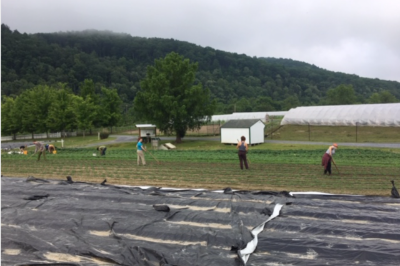
CRC researchers work alongside community partners to explore new pathways for grassroots economic development. These efforts include mapping social enterprises, fostering youth entrepreneurship, exploring economic mobility, and studying livelihood strategies across the state. Current research includes projects studying new migrant communities, cooperative and small-scale entrepreneurial networks, creative placemaking strategies, and neighborhood based economic initiatives in West Virginia communities.
Climate and Environmental Justice
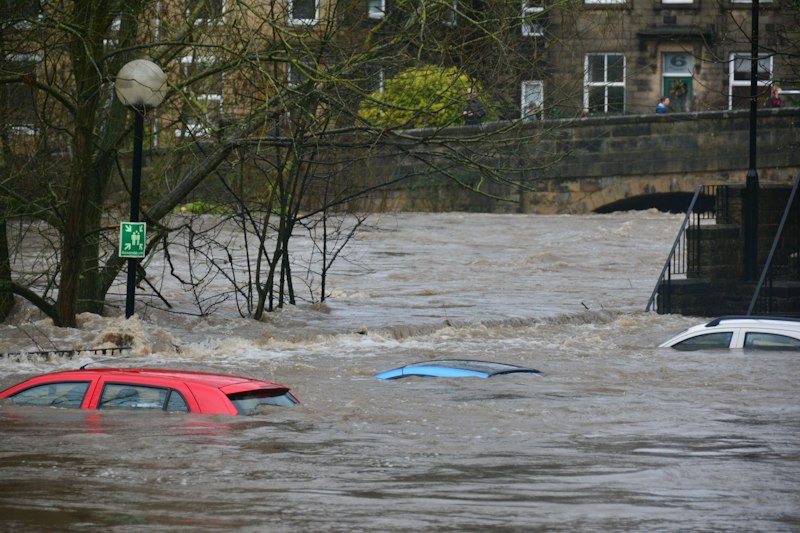
Communities across West Virginia face growing environmental challenges including flooding, water contamination, and aging infrastructure. CRC researchers are working with community organizations to improve access to environmental data and strengthen community planning. Recent work includes analysis of 25 years of Safe Drinking Water Act violations across the state and emerging collaboration with organizations such as the Friends of Cheat and the West Virginia Rivers Coalition.

Food Systems Transformation
Food insecurity remains a major challenge across Appalachia. CRC researchers collaborate with farmers, food organizations, and policymakers to strengthen local food systems. Initiatives include the WV FOODLINK portal, statewide food system research, policy convenings such as the Food for All Summit, and community workshops exploring barriers to food access.
Schools also play a critical role in shaping food access and local food economies. CRC researchers are working with school districts and farmers to strengthen Farm to School initiatives, connecting local farms with school meal programs.
Leadership Development Programs
Youth Resilience Leaders Program
The Youth Resilience Leaders Program is a regional leadership initiative for young people ages 14–16 that combines immersive learning, mentorship, and community-based action. Grounded in the educational approach of the WVU Center for Resilient Communities, the program is built on the conviction that youth are not merely future contributors to community life, but active protagonists in shaping it today.
The program begins with the Youth Resilience Leadership Summit, where students from across West Virginia gather to explore the foundations of building vibrant communities. Through mapping, arts, dialogue, storytelling, and practical learning, participants deepen their understanding of local challenges while building friendships, confidence, and a stronger sense of purpose. The summit introduces youth to pathways for leadership in areas such as community health, water security, flood preparedness, environmental stewardship, food and nutrition, arts and cultural revitalization, and promoting economic prosperity.
The program then continues through mentorship and accompaniment as youth groups return to their home communities. Rather than ending with inspiration alone, the CRC supports participants as they continue meeting, reflecting, and developing small projects or community initiatives with the guidance of local mentors, educators, and CRC staff. In this way, the program links the energy of the summit to longer-term processes of youth leadership, collective learning, and community transformation.
Who It's For
- Young people ages 14–16
- High school students across WV
- Educators and community partners
Focus Areas
- Community health & water security
- Environmental stewardship
- Arts & cultural revitalization
- Economic prosperity

Resilient Communities Leadership Program
Who It Is For
- Undergraduates in their first 6 semesters
- Students taking ≤16 credit hours
- Interested in community engagement
- Public service & nonprofit careers
- Regional & rural development
- Environmental & food justice
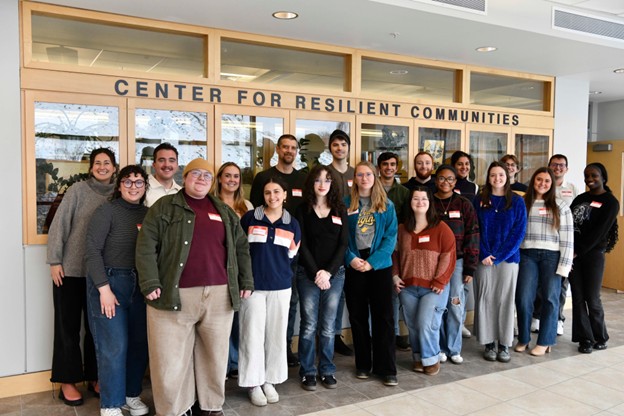
The Resilient Communities Leadership Program is a one- to two-year program for undergraduate students who want to deepen their capacity to contribute to community well-being through engaged research, participatory leadership, and place-based action. The program combines structured study, regional learning, and applied experience to help students grow as leaders.
Why Join the Program?
The program is designed for students who want more than classroom learning or technical training alone. It offers a pathway to develop moral leadership, practical skills, planning strategies, stronger habits of reflection, and the ability to work collaboratively on real social and community challenges.
Participants in the Program Will:
- Deepen their understanding of Appalachia and regional development
- Strengthen skills in dialogue, consultation, and collective inquiry
- Gain experience in project design, facilitation, and community-engaged practice
- Learn how to connect research, leadership, and public purpose
- Contribute to projects that support long-term community well-being
- Qualify for optional second-year funded internships, research or mentoring opportunities
Program Structure
During Year 1, students participate in a weekly leadership seminar as the core space for shared learning, reflection, and cohort development.
Fall — Connecting to People and Place
Field trips, travel experiences, and guest speakers connect study, place, and practice. Through visits to community sites and conversations with practitioners, students gain a broader understanding of how collaborative leadership unfolds in real-world settings.
Winter — Rethinking Appalachian Development
An asynchronous short course introducing students to major issues shaping Appalachia. Modules cover: Understanding the Region; Place, Culture and Belonging; Livelihoods and Diverse Economies; Climate and Environmental Justice; Food System Transformation.
Spring — Groundwork for Collective Inquiry
A two-unit, practice-focused course that prepares students to work collaboratively in designing, investigating, and developing long-term projects with community partners. Participants learn to connect ideas to practice, build stronger partnerships, and mentor others.
Spring / Summer / Fall — Applied Leadership Experience
An applied learning experience connected to community-engaged research, participatory inquiry, or resilient community development. May take the form of a community-based project partnership, mentored apprenticeship, or internship with a CRC initiative or community partner. Includes a final presentation and written or creative outcome.
Semesters 4–5 — Advanced Pathway (Optional Second Year)
Students who complete Year 1 can qualify for deeper engagement through advanced project work, mentorship, or leadership within CRC initiatives. This pathway offers funding for more robust activities with significant time commitments. Students take on greater responsibility and support newer participants.
Graduate and Professional
Development
The CRC offers a suite of learning opportunities for graduate students and professionals seeking to deepen their practice in community-engaged research, collaborative leadership, and regional development. Individual courses can be taken independently or combined into the Resilient Communities Engaged Research Certificate.
Engaged Research Dialogues
A rare opportunity to go beyond abstract discussions of community engagement and explore how engaged research is actually done. The series focuses on the intellectual, ethical, and practical questions that arise when research is carried out with communities and in relation to broader processes of social transformation.
Minimum 6 sessions
Groundwork for Collective Inquiry
A two-unit, practice-focused course designed for advanced undergraduate and graduate students, professionals, and community practitioners who want to strengthen their ability to work collaboratively on long-term projects. Covers project design, facilitation, collective problem-solving, and partnership-building.
Unit 1: Capabilities for Collective Inquiry — 16 hrs
Unit 2: Designing Team-based Projects — 16 hrs
Rethinking Appalachian Development
Examines social, cultural, political, and environmental challenges shaping the region today while asking what alternative forms of development might better support community well-being. Five thematic modules covering: Understanding the Region; Place, Culture & Belonging; Livelihoods and Diverse Economies; Climate and Environmental Justice; Food System Transformation.
Project, Apprenticeship, or Internship
An applied learning experience connected to community-engaged research, participatory inquiry, or resilient community development. Participants complete a final presentation sharing the goals, process, and significance of their work, plus a written outcome such as a reflective essay, research brief, project report, or action plan.
Partner With the CRC
We welcome long-term partnerships with organizations, agencies, and community leaders committed to building more just, equitable, and vibrant communities across West Virginia and Appalachia.